
Transforming Freight Terminal Asset Management
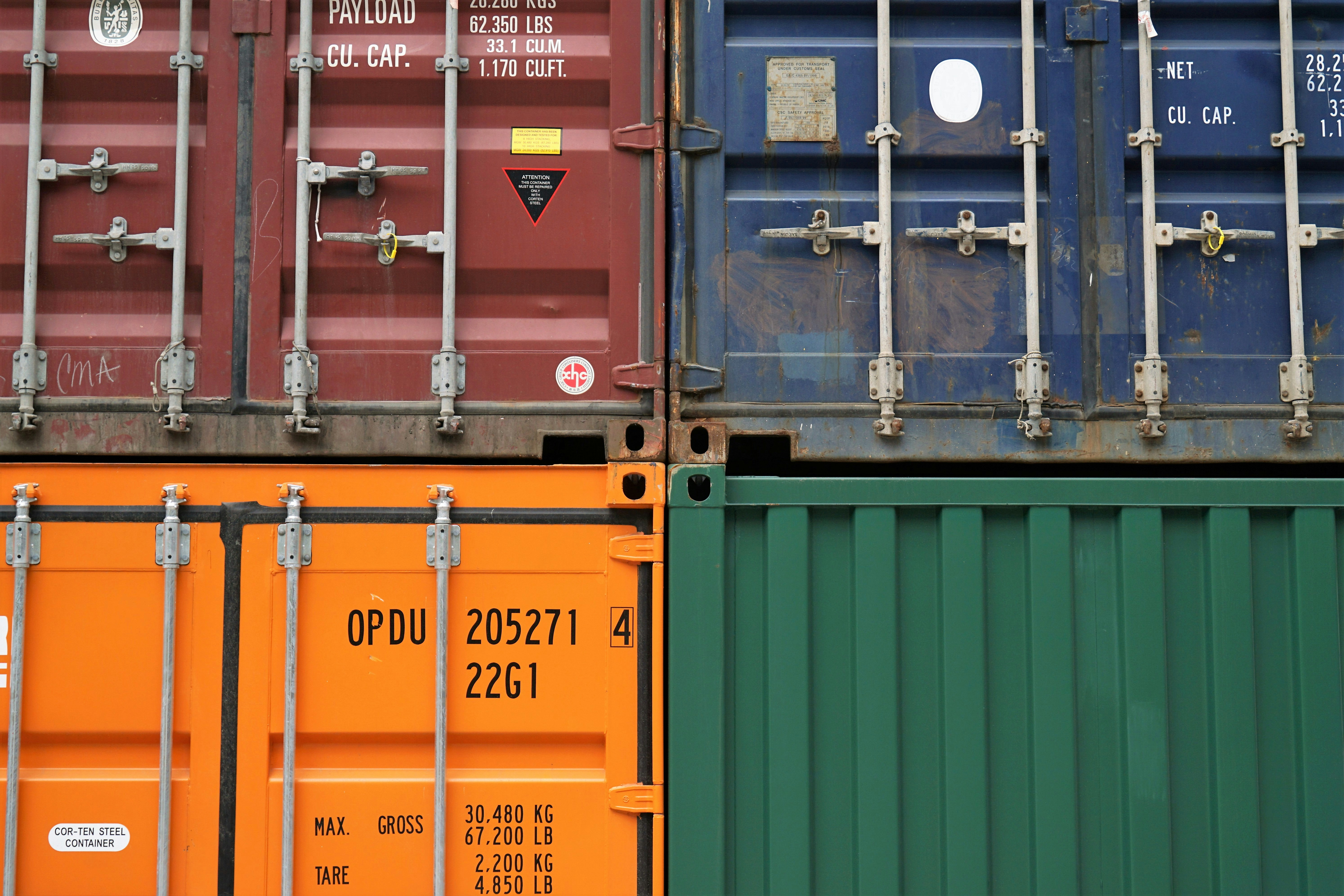
This case study highlights how a freight terminal turned its performance around by implementing simple asset management principles guided by ISO55000/1/2 and IIMM.
It also underscores that when asset management is used as a tool to improve business outcomes the results can be immediate and effective.
Failing to make this shift leads to ongoing safety, financial and operational poor performance.
A freight inland terminal was established on a former landfill site in the 1970s. Strategically located within a major metropolitan freight hub, it plays a crucial role in linking the national transport network with key seaports. The facility operates 24 hours a day, 7 days a week, making pavement maintenance particularly challenging.
By the mid 2010’s, however, the site’s infrastructure had reached the end of its service life. The existing maintenance regime was unable to keep with the rate of deterioration. Without structured asset management practices in place, repairs were reactive and financially unsustainable. Pavement and drainage conditions were effectively running away from the maintenance regime, leading to mounting operational inefficiencies, increased safety risks, and escalating costs.
Lack of structured asset management systems drove reactive, unsustainable maintenance and persistent safety issues
With the terminal’s infrastructure already in decline, the challenge was not to simply repair the assets, but to sustain operations under limited budget. This meant tackling the problem with better efficiency.
Key issues included:
- Widespread pavement failures creating ongoing and significant potholes leading to lower operational speeds of hoists and trucks
- Safety risks such as hoist operator back injuries and cracking of hoists frames
- Additional hoists were needed due to downtime for repairs
- Reactive patchwork pothole repairs left uneven surfaces, preventing surface drainage causing ponding, which further weakened the pavement structure
- Reactive, unsustainable maintenance that consumed resources without improving long-term outcomes.
The change was to shift from reactive repairs to a disciplined asset management approach that could deliver safer, more reliable performance without an increase in funding.
Ageing assets cannot be sustained through reactive maintenance
The only maintenance strategy at the terminal was reactive maintenance - fixing issues as they appeared. This approach worked for many years, but when the assets reached the end of service life there was no recognition of the gradual decline, and the reactive strategy became unsustainable.
To address the problem, an Asset Management Framework, guided by ISO 55000 and the International Infrastructure Management Manual (IIMM), was established and implemented. The framework followed the IIMM structure and provided a comprehensive management system of procedures, task instructions, and templates.
Key applications of the framework included:
- Documenting the asset management objectives, policy, and scope for the terminal
- Establishing customer levels of service and associated performance measures
- Reviewing existing performance (zero harm, pavement condition, operational performance)
- Review maintenance strategies (reactive, renewal, and proactive life-extension)
- Developing and managing the risk register
- Developing a forward works plan, informed by alternative pavement design options
- Preparing a financial forecast
- Implementing an improvement plan and monitoring regime
- Updating the Facilities Manager’s asset management responsibilities to include proactive maintenance strategies using the framework
- Adopting a new procurement method for preventative maintenance, including condition monitoring using road maintenance techniques.
Through this customer levels of service exercise, additional benefits were realised. For example, line marking – which provides critical wayfinding – had been de-prioritised under the reactive regime due to lack of funding, was reinstated at minimal cost.
The adoption of ISO 55000 and the IIMM framework directly enabled the performance improvements that followed.
The adoption of an asset management framework, guided by ISO 55000 and IIMM, enabled preventative maintenance and extended asset life
Implementation of the asset management framework delivered immediate and measurable improvements. A review 12 months after the implementation of the change revealed that:
- Pavement condition visibly improved, with surface drainage restored
- Operational turnaround times improved, reducing operational delays
- 25% increase in hoist tyre life as surface conditions improved
- Maintenance-related disruptions dropped significantly, allowing smoother operations
- No further cracked hoist frames were reported – eliminating what had previously been a monthly occurrence
- The hoist fleet size was reduced
- No further back injuries reported
The asset management framework delivered immediate and measurable improvements in safety, efficiency, cost, and asset performance
Broader business outcomes were also achieved
- Asset Management maturity improved from ‘Basic’ to ‘Intermediate’ with an improvement roadmap agreed
- Governance structures embedded asset management into corporate decision-making, reducing reliance on reactive spending
- Lifecycle costing informed a 40-50 year financial outlook, aligning capital expenditure with long-term service needs
- Improved stakeholder confidence and collaboration
This case study highlights the transformation possible when a business adopts a disciplined asset management framework. The shift was not just about better assets – it was a strategic and culture change in how the organisation viewed its assets in the context of customer levels of service, and the way it managed risk.
By embedding ISO 55000 principles and IIMM methodology, supported by clear governance and staff training, the maintenance shifted from reactive to proactive and preventative. This enabled better decisions on priorities, investment, and trade-offs, all while working within the same funding envelope. In other words, the framework aligned the asset planning directly with business objectives.
With the right framework and mindset, better outcomes can be achieved with the same budget. Organisations facing similar challenges should assess their capability, embed asset management thinking, and empower their teams with the tools and training to make confident, data-driven decisions.
Aligning assets and business: asset management is a way of doing business, not just a technical exercise


Bring clarity and structure to your next investment
